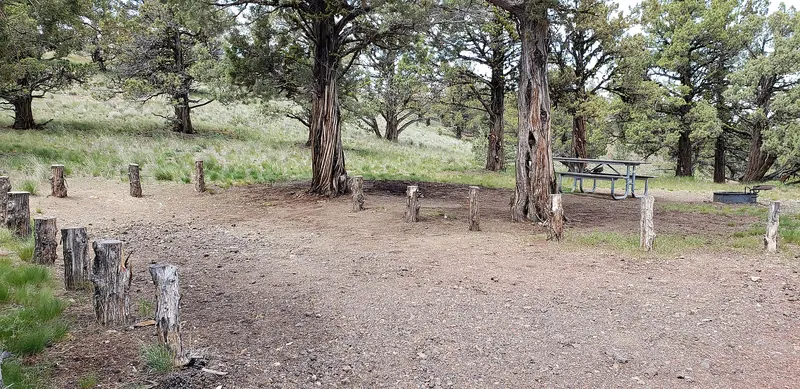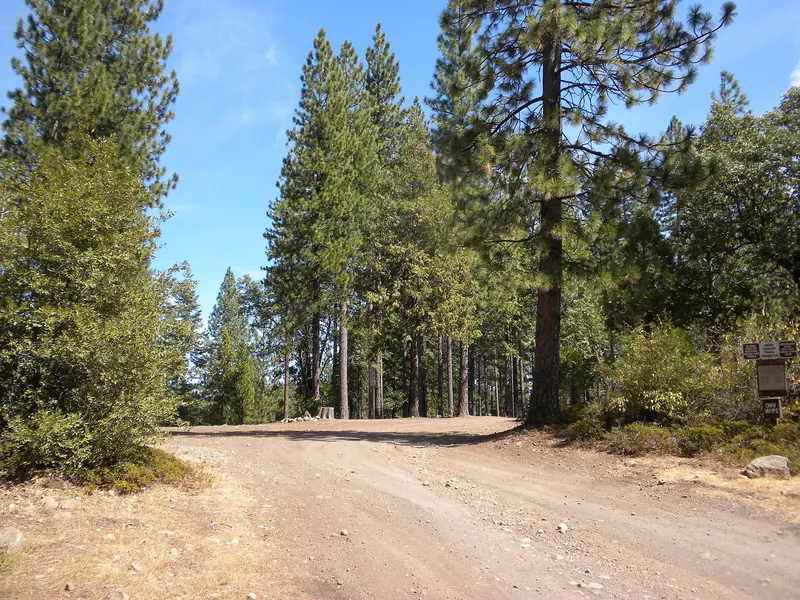
Crandall Peak OHV Camping Area
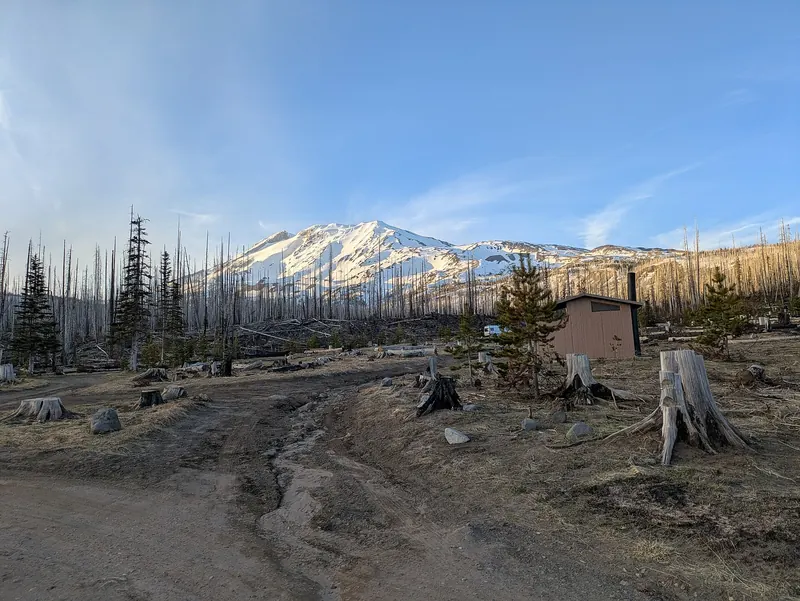
The Crandall/Deer Creek area is a popular motorcycle riding area with 40 miles of signed trails and 140 miles of roads open to OHVs, northwest of Highway 108 between 3,500 and 5,500 feet. A camping…
- Fee
- No fee
No spots match these filters.
The central Sierra along Highway 108 and Highway 4, with OHV areas and dispersed camping.
The Crandall/Deer Creek area is a popular motorcycle riding area with 40 miles of signed trails and 140 miles of roads open to OHVs, northwest of Highway 108 between 3,500 and 5,500 feet. A camping…
Western Nevada BLM land around Reno, Carson City and Yerington, including busy OHV areas with staging-area camping.
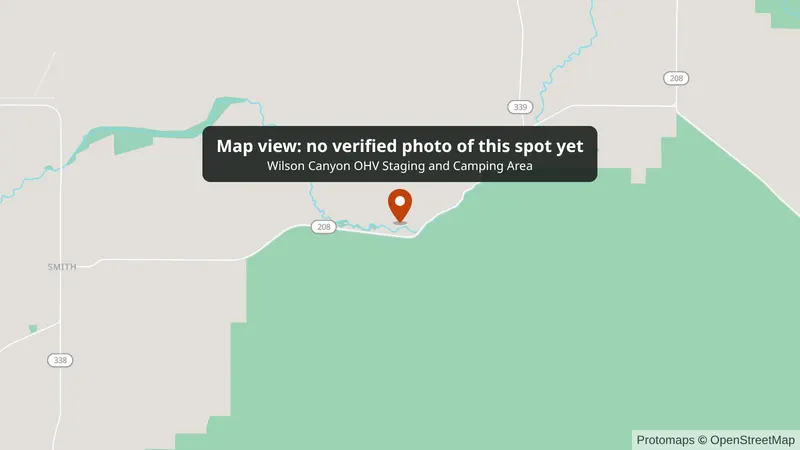
The BLM part of Wilson Canyon is on the north side of NV-208 west of Yerington, with a large area of multi-use trails for OHVs, horses and hiking near the West Walker River. There are no designated…
Moon Rocks is a popular open off-road area about 24 miles north of Reno, named for a cluster of large, rounded granite formations used for rock crawling. It is part of the BLM's North Reno Recreation…
Scattered across Nevada's island ranges: the Toiyabe, Toquima and Monitor ranges near Austin and Tonopah, the White Pine country near Ely and the Jarbidge Mountains on the Idaho line.
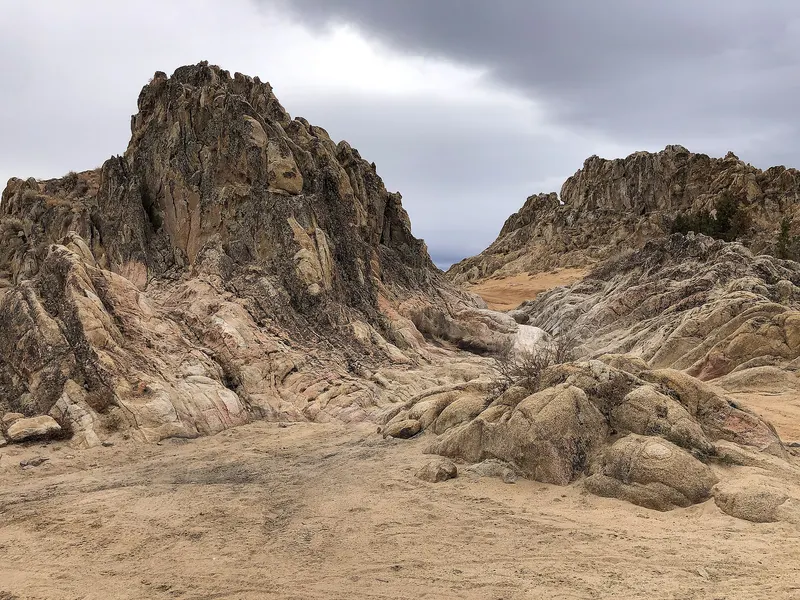
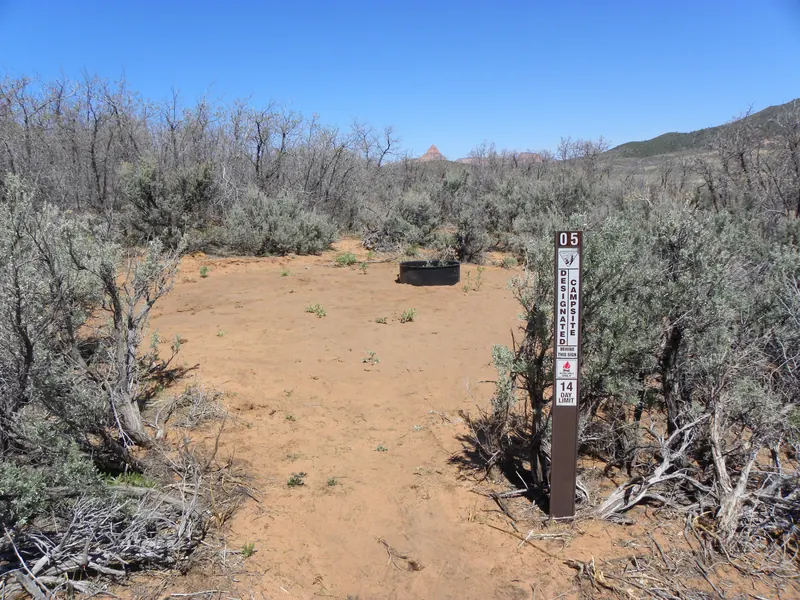
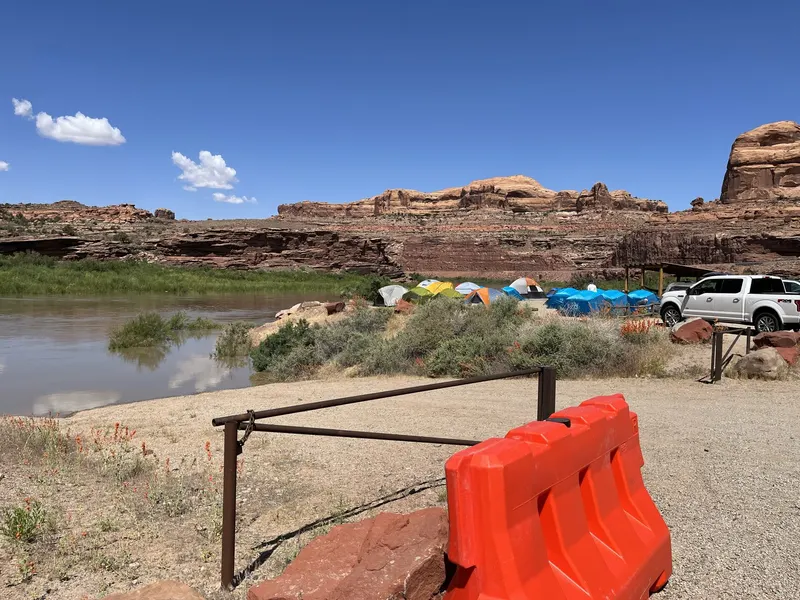
Desert Creek Campground is a remote Nevada campground on Desert Creek, with partial shade from Jeffrey and lodgepole pines. Desert Creek is stocked with rainbow, brown and brook trout, and ATV riders…
On National Forest lands in the Lake Tahoe Basin Management Unit, Forest Order 19-24-05 prohibits camping except in the named places and for the durations in the order’s Exhibit A. The Forest Service states that dispersed camping, also described as vehicle camping or overnighting, is prohibited. Most of the exempt places are developed campgrounds, resorts, wilderness (with a permit, in Desolation Wilderness), or narrow corridors such as parts of the McKinney-Rubicon Springs Road.
We have not listed those developed basin campgrounds as free camping; they generally charge a fee and have stay limits (often 14 days per calendar year, or 5 days at Luther Pass and Watson Lake). The map shows already-sourced free camps outside the basin. If you want to camp at the lake, use a legal developed campground and read the current LTBMU order.
Not on National Forest land in the basin, except in the specific places listed in Forest Order 19-24-05 (effective June 28, 2024, through December 1, 2027, unless replaced). Dispersed and vehicle camping is otherwise prohibited there.
They are already-sourced sites about 50 to 65 miles from the lake, including BLM and Humboldt-Toiyabe camps on the Nevada side and a Stanislaus National Forest OHV area in California. They are not lakeshore camps.
Dispersed camping can be allowed outside restricted areas, but Forest Order 17-26-05 (April 5, 2026, through April 5, 2028) limits both dispersed and developed camping on the Tahoe National Forest to 14 days in a calendar year per ranger district. Confirm closures and the current order before you go.